
5 Reasons Professional Pet Care Matters
Professional pet care means entrusting your animal to someone with the knowledge, practical experience, and safety awareness to provide consistent care. Certifications can demonstrate training, while real-world experience helps a carer recognise stress, manage challenging behaviour, respond to emergencies, and make responsible decisions when your pet’s wellbeing is at risk.
Why does professional pet care matter?
Choosing a pet carer is about more than finding someone who likes animals. Your pet may depend on that person for feeding, exercise, medication, reassurance, and safety while you are away. A professional approach creates structure and reduces avoidable risks.
Professional pet care is especially valuable when a pet:
- Has anxiety, fear, or previous negative experiences
- Reacts strongly to unfamiliar people or animals
- Needs medication or a strict routine
- Is recovering from illness, surgery, or injury
- Has a high energy level or challenging behaviour
An experienced carer does not simply react to what happens. They prepare for the visit, observe the animal carefully, follow agreed instructions, and communicate clearly with the owner.
For everyday support, you can explore Luna Tailored Pet Care’s pet sitting service or dog walking service to see how care can be adapted to your pet’s routine.
What do certifications show in animal care?
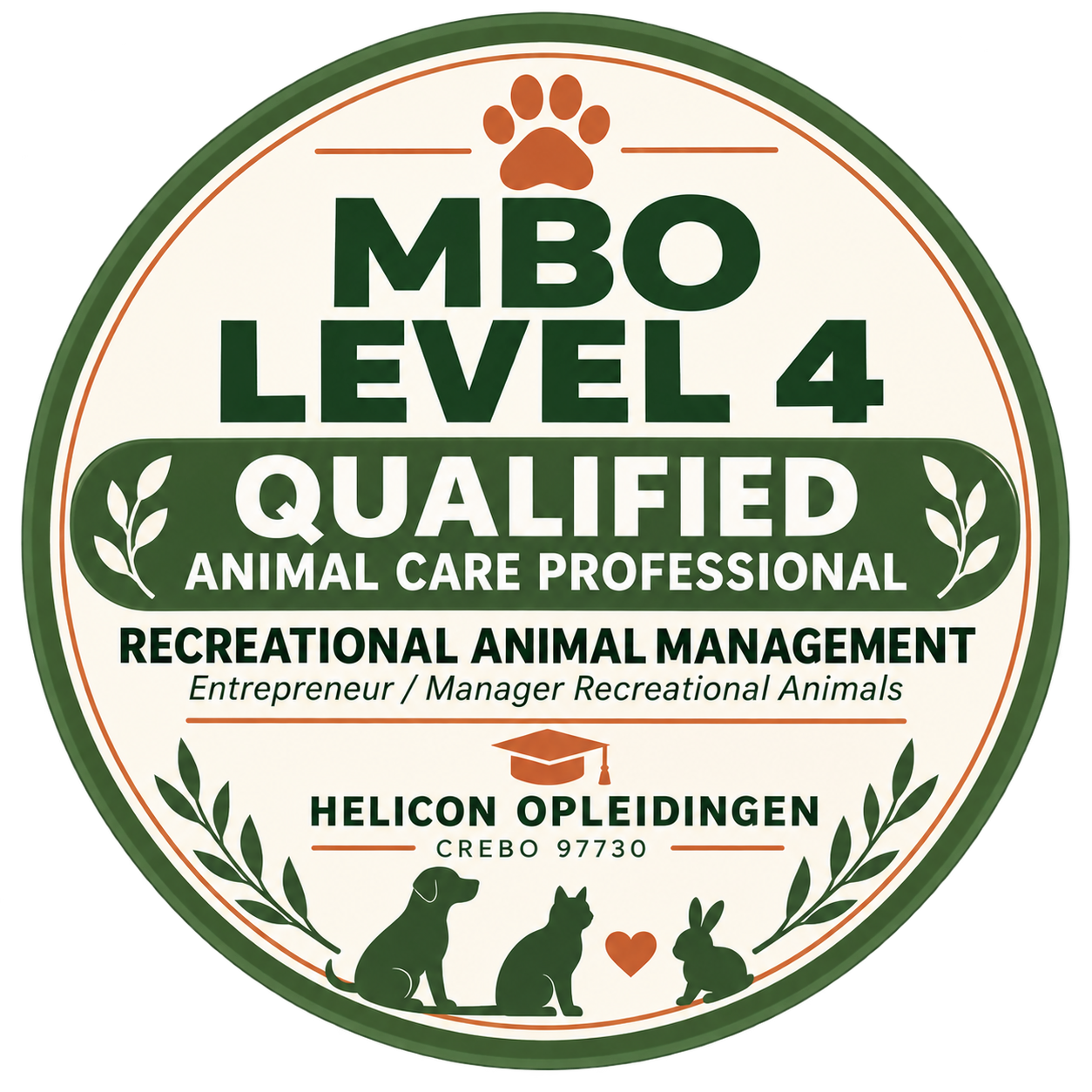
Certifications do not replace compassion or practical experience, but they can provide useful evidence that a pet carer has studied relevant subjects. Depending on the course, training may cover animal behaviour, welfare, first aid, handling, hygiene, nutrition, or risk management.
A certificate can show that a carer has taken the time to build a foundation of professional knowledge. It may also indicate an understanding of responsible boundaries: when to continue with normal care, when to modify an activity, and when to contact an owner or veterinarian.
When comparing providers, ask:
- What training or certificates have they completed?
- Do they understand basic animal first aid?
- Have they worked with dogs showing fear, reactivity, or aggression?
- Do they have a clear emergency procedure?
- Are they willing to follow written care instructions?
The quality and relevance of training matter more than collecting certificates. A course related to animal welfare or canine behaviour is generally more useful than an unrelated qualification presented as proof of expertise.
How does experience help with problem dogs?
“Problem dog” is often a shorthand for behaviour that is difficult, stressful, or unsafe for a particular situation. The behaviour may include barking, lunging, hiding, jumping, guarding, pulling, snapping, or refusing to move. It is important not to label the dog as bad. Behaviour is communication, and the cause may be fear, pain, frustration, overstimulation, past experiences, or unclear boundaries.
An experienced pet carer looks for triggers and early warning signs. These might include a stiff body, lip licking, yawning, avoidance, raised hackles, a fixed stare, or a sudden change in movement. Recognising these signals early allows the carer to create distance, reduce stimulation, and avoid escalating the situation.
Good professional practice may include:
- Gathering detailed information before the first visit
- Arranging a meet-and-greet in a familiar environment
- Agreeing on safe handling methods and equipment
- Starting with short, low-pressure visits when appropriate
- Recording observations and updating the owner promptly
A responsible carer should never promise to “fix” serious behaviour during ordinary sitting or walking visits. Training and veterinary support may be needed. The carer’s role is to keep the dog safe, follow the agreed plan, and recognise when specialist help is appropriate.
What should happen during a pet care emergency?
Emergencies can include injury, sudden illness, escape, choking, heat stress, poisoning, a dog fight, or an unexpected reaction to a person or animal. Even when a situation is unlikely, a professional should know what steps to take instead of improvising under pressure.
Before care begins, discuss:
- Your preferred veterinarian and an emergency clinic
- Your emergency contact details
- Existing medical conditions and medication
- Allergies, sensitivities, and known triggers
- Permission for veterinary treatment if you cannot be reached
- Safe transport arrangements
A capable carer should remain calm, move the pet away from immediate danger when possible, contact the owner, and seek veterinary advice without unnecessary delay. They should also document what happened and provide a clear update.
Professionalism does not mean that emergencies will never occur. It means the carer has prepared for them and understands the limits of their role. A pet sitter should not diagnose an illness or give treatment outside their training and the owner’s instructions.
The value of communication and dependable routines
Experience and certificates are only part of quality care. Reliability, communication, and consistency are equally important. Pets often feel more secure when meals, walks, rest, medication, and play happen at familiar times.
A professional carer should confirm the care plan before the first visit and clarify anything uncertain. During visits, useful updates may include a short message, photo, feeding confirmation, toileting information, or a note about mood and behaviour.
Clear communication helps owners make informed decisions. For example, noticing that a dog is drinking more than usual, avoiding food, or appearing unusually tired may help the owner seek advice earlier.
At Luna Tailored Pet Care, visits are adapted to each animal’s personality, habits, energy level, and comfort zone.
How can you assess a professional pet carer?
A short conversation can reveal a great deal about a provider’s standards. Look for someone who asks thoughtful questions rather than offering a generic service immediately.
Questions to ask before booking
- How do you handle fearful, reactive, or nervous dogs?
- What information do you need before the first visit?
- What would you do if my pet became ill or escaped?
- How do you introduce yourself to a new animal?
- Will you provide updates during the booking?
- What happens if weather, transport, or another emergency affects the visit?
Pay attention to how the carer responds. A professional will be honest about their experience and limitations. They will not dismiss your concerns, guarantee perfect behaviour, or pressure you to book before you feel comfortable.
You can also review client testimonials , learn more about Luna Tailored Pet Care , and use the contact page to discuss your pet’s needs.
Why trust and professional boundaries matter
Pet care takes place in a private home and involves responsibility for a valued family member. Trust therefore includes more than affection for animals. It includes punctuality, discretion, careful handling of keys, respect for instructions, and transparent communication.
A professional carer should establish what is included in the service and what requires separate approval. This may involve additional walks, medication, transport, interactions with other animals, or changes to the agreed schedule.
Written instructions are helpful because they reduce misunderstandings. They can include feeding quantities, lead and harness preferences, access information, emergency contacts, behaviour triggers, and the pet’s normal routine.
Frequently asked questions
Are certificates essential for every pet sitter?
Not always, but relevant training can provide reassurance and demonstrate knowledge of welfare, handling, and safety. Practical experience, references, communication, and a responsible approach should also be considered.
Can an experienced pet carer handle aggressive behaviour?
Experience may help a carer recognise warning signs and reduce risk, but no provider should accept a situation beyond their competence. Serious aggression may require a qualified behaviour professional and veterinary assessment.
What is the most important qualification in an emergency?
The ability to stay calm, follow an agreed emergency plan, contact the owner, and obtain veterinary advice promptly is essential. Animal first-aid training can add valuable preparation.
Key takeaways
Professional pet care is most valuable when your animal has specific routines, medical needs, anxiety, high energy, or challenging behaviour. Certifications can demonstrate a foundation of knowledge, while experience shows how that knowledge is applied in real situations. Before booking, ask about training, emergency procedures, handling methods, communication, and limits of competence. Choose a carer who listens carefully, prepares thoroughly, and treats your pet as an individual. The next step is to arrange an honest conversation and meet-and-greet so you can evaluate whether the care plan feels safe, suitable, and reassuring for both you and your pet.